



(Photo-)electrocatalysis for Terrestrial and Space Applications
About our research
Our group is focussed on the development, analysis and optimization of new systems to produce valuable chemicals and oxygen for human space exploration missions. These systems mimic the most important pieces of photosynthesis, nature's go-to solar energy conversion mechanism. In the conditions met outside Earth's atmosphere this energy conversion is becoming much more challenging and new strategies are required.
Green technologies beyond Earth and back?
The research insights into artificial photosynthesis and photoelectrocatalysis at ZARM can be applied not only to space technology, but also to drive advances in the green energy transition on Earth. The key lies in the efficient, direct use of solar energy, especially for the production of fuels such as hydrogen, a promising energy carrier for the future. As renewable fuels gain interest, the results of the research at ZARM could help to improve the efficiency of solar energy conversion and storage. As a result, this technology would not only benefit space missions, but also help the development of environmentally friendly energy systems and the reduction of CO2 emissions on our planet.
Our fields of research
- The development of alternative, passive phase separation systems for gas bubble detachment from electrode surfaces in microgravity (e.g., via electrocatalyst nanostructures or the utilization of magnetically-induced buoyancy).
- The simulation of (photo-)electrochemical devices in microgravity using COMSOL Multiphysics, OpenFOAM and numerical methods, specifically focusing on simulating mass transfer in the electrolyte and gas bubble evolution.
- The (photo-)electrodeposition of metals on (photo-)electrodes in microgravity and the investigation of the impact gravity has on the nucleation and growth of metal layers and the metal nanotopography.
CONTACT
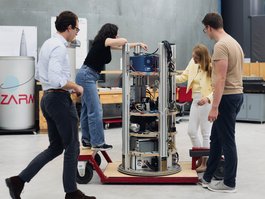
Efficient Solar-Driven Oxygen and Fuel Production Utilizing Magnetically-Induced Buoyancy for Life Support During Long-Term Space Travel
Our research group has together with Prof. Álvaro Romero-Calvo, head of the Low-Gravity Science and Technology Lab at GeorgiaTech (USA), the opportunity to fly our experiments on a Sounding Rocket to the borders of space! The project "Efficient Solar-Driven Oxygen and Fuel Production Utilizing Magnetically-Induced Buoyancy for Life Support During Long-Term Space Travel" was selected by ESA to fly between 2024-2025.
Our team will provide a proof-of-concept microgravity test of an autonomously operating, efficient and monolithic solar water-splitting device for oxygen and hydrogen production which could complement currently existing life support technologies. In order to achieve efficient and stable gas production, we will investigate two key mechanisms to successfully detach hydrogen and oxygen gas bubbles from the electrode surface and direct them through the electrolyte solution to a gas collection point: i) magnetically-induced buoyancy, and (ii) hydrophilic electrocatalyst structures. The longer microgravity time provided by the sounding rocket experiment will be crucial to successfully demonstrate the effect of both mechanisms.
Our results will not only be key for demonstrating the possibility of utilizing photoelectrochemical devices in space which could be extended e.g., to carbon dioxide removal and chemical synthesis – they will also be instrumental in optimizing electrolyzer systems, phase separators, and boiling processes in reduced gravitation.
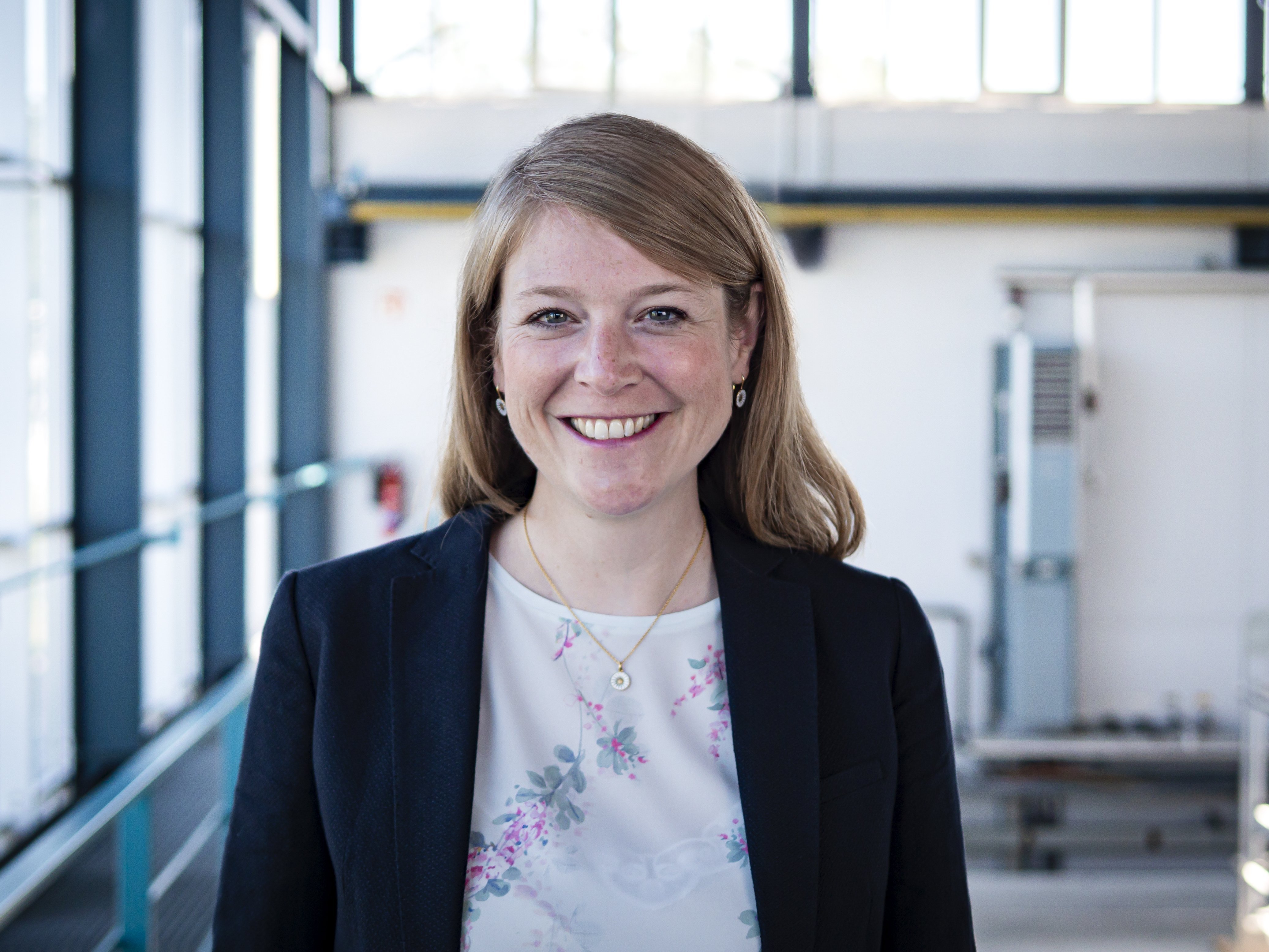
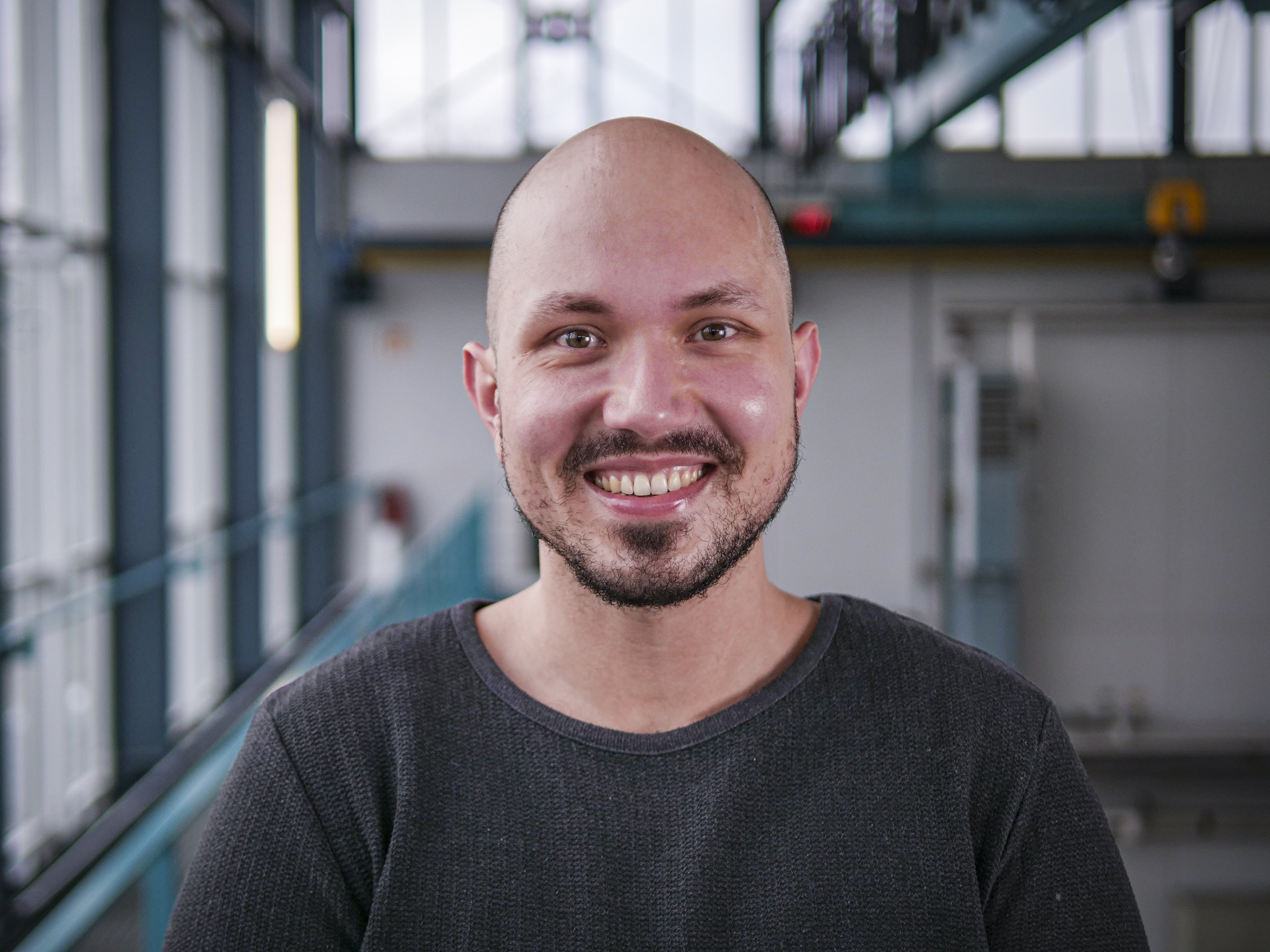



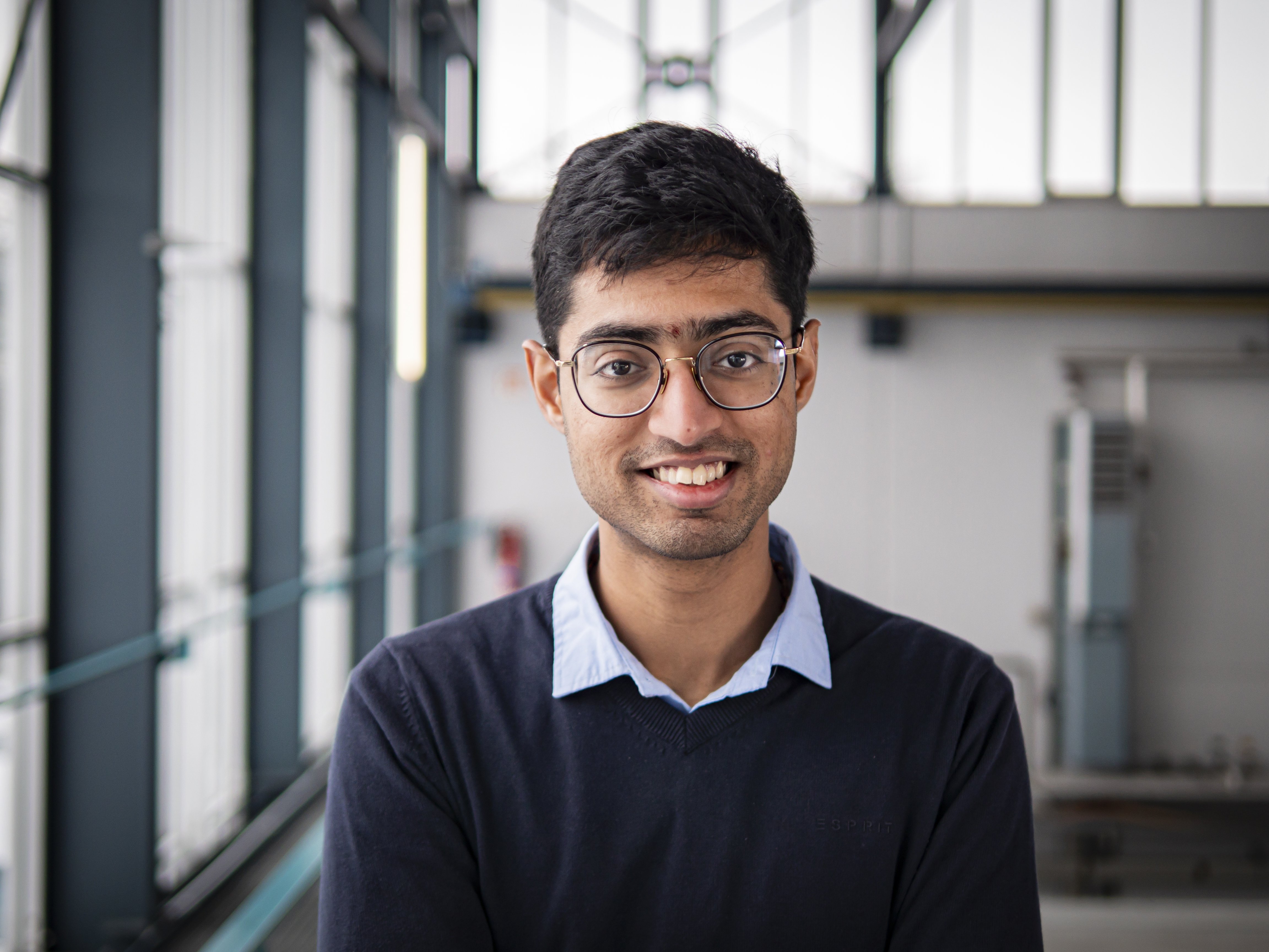


Past members
- Dr. Byron Ross - now postdoctoral researcher at Yale University
- Dr. Manpreet Kaur - publishing editor at the Royal Society of Chemistry
- Dr. Khuram Walayat
Key Publications
For a complete list of publications, please click here.
Monographs
- Brinkert, K. (2018). Energy Conversion in Natural and Artificial Photosynthesis, SpringerBriefs in Chemical Physics. Springer International Publishing AG. ISBN 978-3-319-77980-5.
Peer-Reviewed Articles and Book Contributions
- Ross B., Skidmore K., Haussener S., Brinkert K.* (2026). Transient simulation of gas bubble evolution and overpotential dynamics for the hydrogen evolution reaction. ACS Electrochem. 2 (1), 113-123. doi.org/10.1021/acselectrochem.5c00291
- Akay Ö., Monfort-Castillo M., St. Francis T., Becker J., Saravanabavan S., Romero-Calvo Á., Brinkert K.* (2025). Magnetically induced convection enhances water electrolysis in microgravity. Nat. Chem. 17, 1673-1679. doi.org/10.1038/s41557-025-01890-0
- Ross B., Haussener S., Brinkert K.* (2025). Impact of gas bubble evolution dynamics on electrochemical reaction overpotentials in water electrolyser systems. J. Phys. Chem. C 129 (9), 4383-4397. doi.org/10.1021/acs.jpcc.5c00220
- Ross B., Haussener S., Brinkert K.* (2023). Assessment of the technological viability of photoelectrochemical devices for oxygen and fuel production on Moon and Mars. Nat. Commun. 14 (3141). doi.org/10.1038/s41467-023-38676-2
- Kaur M., Walker M., Hindmarsh S., Bolt C., York S., Han Y., Lees M. R., Brinkert K.* (2023). Designing mixed-metal electrocatalyst systems for photoelectrochemical nitrogen activation. Faraday Discuss. 243, 354-377. doi.org/10.1039/D2FD00157H
- Romero-Calvo Á., Akay Ö., Schaub H., Brinkert K. (2022). Magnetic phase separation in microgravity. npj Microgravity 8 (32). doi.org/10.1038/s41526-022-00212-9
- Saravanabavan S., Coulthard C. T., Kaur M., Brinkert K.* (2022). Catalysis in space environments. doi.org/10.1002/9783527830909.ch7 In: Hessel V., Stoudemire J., H. Miyamoto & I. D. Fisk (Eds.). In Space Manufacturing and Resources. Wiley-VCH. ISBN: 978-3-527-83091-6.
- Akay Ö., Poon J., Robertson C., Abdi F. F., Roldan-Cuenya B., Giersig M., Brinkert K.* (2021). Releasing the bubbles: nanotopographical electrocatalyst design for efficient photoelectrochemical hydrogen production in microgravity environment. Adv. Sci., 2105380. doi.org/10.1002/advs.202105380
- Yu W., Buabthong P., Read C. G., Dalleska N., Lewis N. S., Lewerenz H.-J., Gray H. B., Brinkert K.* (2020). Cathodic NH4+ Leaching of nitrogen impurities in CoMo thin-film electrodes in aqueous acidic solutions. Sustain. Energ. Fuels. 4, 5080-5087. doi.org/10.1039/D0SE00674B
- Brinkert K.*, Richter M. H., Akay Ö., Liedtke J., Giersig M., Fountaine K. T., Lewerenz H. J. (2018). Efficient solar hydrogen production in microgravity environment. Nat. Commun. 9 (2527). doi.org/10.1038/s41467-018-04844-y
- Brinkert, K., De Causmaecker, S., Krieger-Liszkay, A., Fantuzzi, A., Rutherford, A. W. (2016). Bicarbonate-induced redox tuning in Photosystem II for regulation and protection. Proc. Natl. Acad. Sci. USA 113 (43) 12144-12149. doi.org/10.1073/pnas.1608862113
- Mersch, D., Lee, C.-Y., Zhang, J. Z., Brinkert, K., Fontecilla-Camps J. C., Rutherford, A. W. & Reisner, E. (2015). Wiring of Photosystem II to a Hydrogenase for photoelectrochemical water splitting. J. Am. Chem. Soc., 137 (26), 8541-8549. doi.org/10.1021/jacs.5b03737
- Pullen S. & Brinkert K.* (2014). SolEn for a Sustainable Future: Developing and Teaching a Multidisciplinary Course on Solar Energy to Further Sustainable Education in Chemistry. J. Chem. Educ. 91 (10), 1569-1573. doi.org/10.1021/ed400345m1